recent posts

Tags cloud

Understanding Federal Procurement
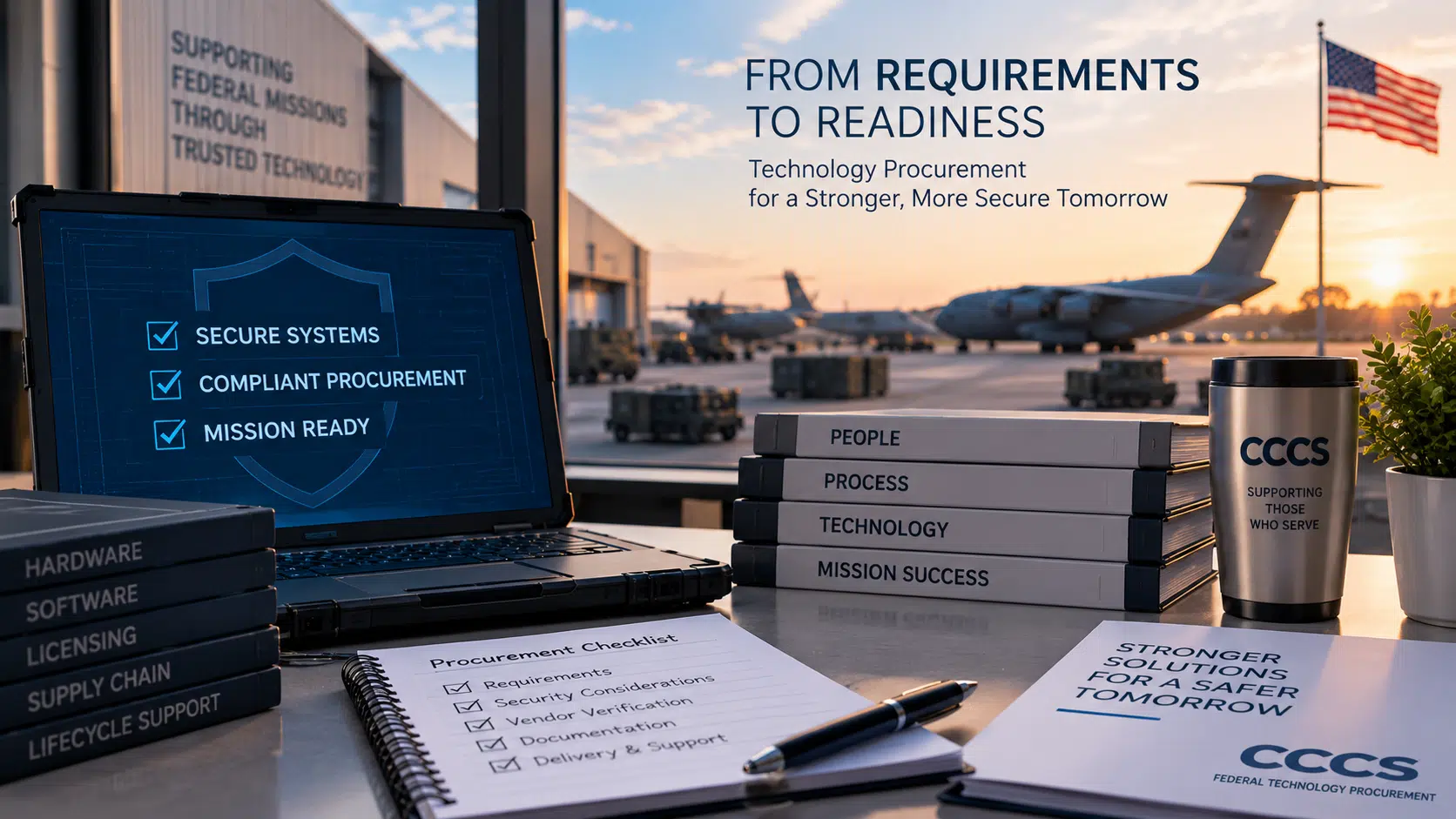
Federal procurement is the structured process government agencies use to purchase goods and services from approved vendors. It emphasizes compliance, documentation, and accountability to ensure programs remain secure, fair, and on schedule.
Understanding Federal Procurement Without the Complexity
Federal procurement plays a critical role in keeping government agencies, defense programs, and large scale initiatives running smoothly. From aerospace and defense to infrastructure, research, and technology, federal organizations depend on reliable suppliers and trusted procurement partners to deliver the right products at the right time.
For many enterprise organizations and prime contractors, federal procurement can feel overwhelming. The rules are strict, documentation requirements are detailed, and delays can have real consequences. This is where experienced procurement partners make a measurable difference.
This article breaks down federal procurement in plain language, explains why it matters, and shows how the right procurement approach reduces risk while improving speed and reliability.
What Is Federal Procurement
Federal procurement is the process by which government agencies purchase goods and services from approved vendors. These purchases support everything from defense systems and research labs to public safety and national infrastructure.
Unlike commercial purchasing, federal procurement follows strict guidelines. These guidelines exist to ensure fairness, accountability, security, and compliance with federal law. As a result, procurement decisions are often more complex than standard business purchases.
Federal procurement typically involves
• Approved suppliers and sourcing channels
• Detailed documentation and audit trails
• Contract and compliance requirements
• Long term planning and forecasting
Because of this structure, organizations supporting federal agencies must operate with precision and discipline.
Why Federal Procurement Is More Complex Than Commercial Buying
Commercial procurement focuses on speed, pricing, and availability. Federal procurement adds multiple additional layers that cannot be ignored.
Key differences include
• Compliance with federal acquisition regulations
• Supplier validation and traceability
• Security and quality assurance standards
• Contractual obligations and reporting
Even experienced enterprise procurement teams can struggle when federal requirements change or when supply chains become disrupted. One missing document or delayed approval can slow an entire program.
This complexity is why many organizations rely on procurement specialists who understand the federal environment inside and out.
The Role of Procurement Partners in Federal Programs
A procurement partner acts as an extension of your organization. Rather than simply reselling products, a true procurement partner manages sourcing, coordination, documentation, and vendor relationships on your behalf.
For federal and defense programs, this role is critical.
A strong procurement partner helps
• Source compliant products from approved channels
• Coordinate with manufacturers and distributors
• Ensure documentation is accurate and complete
• Reduce delays caused by vendor or logistics issues
• Maintain continuity during supply chain disruptions
By handling these responsibilities, procurement partners allow prime contractors and enterprise teams to focus on delivery, performance, and mission outcomes.
Why Procurement Reliability Matters in Federal Environments
In federal programs, delays are more than an inconvenience. They can impact schedules, budgets, and even national security objectives.
Reliability matters because
• Federal programs often run on fixed timelines
• Delays can trigger contract penalties or reviews
• Supply gaps can halt production or deployment
• Poor documentation can lead to audits or compliance findings
Reliable procurement is not just about finding products. It is about ensuring consistency, accountability, and predictability across the entire supply chain.
Procurement and Risk Management Go Hand in Hand
Every procurement decision carries risk. In federal environments, that risk is amplified.
Common procurement risks include
• Vendor instability or shortages
• Non compliant products entering the supply chain
• Incomplete documentation
• Shipping delays or logistics failures
An experienced procurement partner reduces these risks through planning, supplier vetting, and proactive coordination. Instead of reacting to problems, they anticipate them.
This risk management approach protects both the prime contractor and the end customer.
Supporting Enterprise and Defense Supply Chains
Defense and aerospace supply chains are some of the most demanding in the world. They require precision, long term planning, and absolute reliability.
Organizations supporting agencies and contractors such as L3 Harris operate in environments where procurement mistakes are not an option.
Procurement partners supporting these programs must understand
• Mission critical timelines
• Product lifecycle requirements
• Approved sourcing channels
• Security and quality expectations
By aligning procurement strategy with operational goals, partners help ensure programs stay on track even during market disruptions.
Documentation and Transparency Are Not Optional
Federal procurement demands complete transparency. Every purchase must be traceable, documented, and defensible.
This includes
• Purchase orders and confirmations
• Supplier certifications
• Compliance documentation
• Shipping and delivery records
Missing or inaccurate documentation can delay payments, trigger audits, or stall future orders. Procurement partners who prioritize documentation help eliminate these issues before they arise.
Clear records also support long term program continuity and contract renewals.
How Federal Procurement Supports Long Term Programs
Many federal initiatives span years or even decades. Procurement decisions made today can impact future phases of a program.
A long term procurement strategy helps
• Maintain consistent suppliers
• Reduce onboarding time for new phases
• Improve forecasting and budgeting
• Strengthen supplier relationships
Rather than treating procurement as a series of one time purchases, successful organizations view it as a strategic function tied directly to program success.
Choosing the Right Procurement Approach
Not all procurement models are the same. Some organizations attempt to manage everything internally, while others rely on transactional vendors.
The most effective approach is partnership based procurement.
This approach emphasizes
• Long term relationships
• Proactive communication
• Shared accountability
• Deep understanding of federal requirements
With the right partner, procurement becomes a competitive advantage rather than a bottleneck.
Simplifying Federal Procurement Without Cutting Corners
Federal procurement does not have to feel overwhelming. With the right expertise and structure, it can be efficient, predictable, and secure.
The key is understanding that simplicity does not mean shortcuts. It means clarity, experience, and disciplined processes that work within federal guidelines.
Organizations that invest in strong procurement partnerships are better positioned to support federal missions, meet compliance requirements, and deliver results with confidence.
Final Thoughts
Federal procurement is complex by design, but it does not have to slow your organization down. By working with experienced procurement professionals, enterprise and defense organizations gain reliability, reduce risk, and strengthen their supply chains.
As federal programs continue to evolve, procurement excellence will remain a critical factor in long term success.